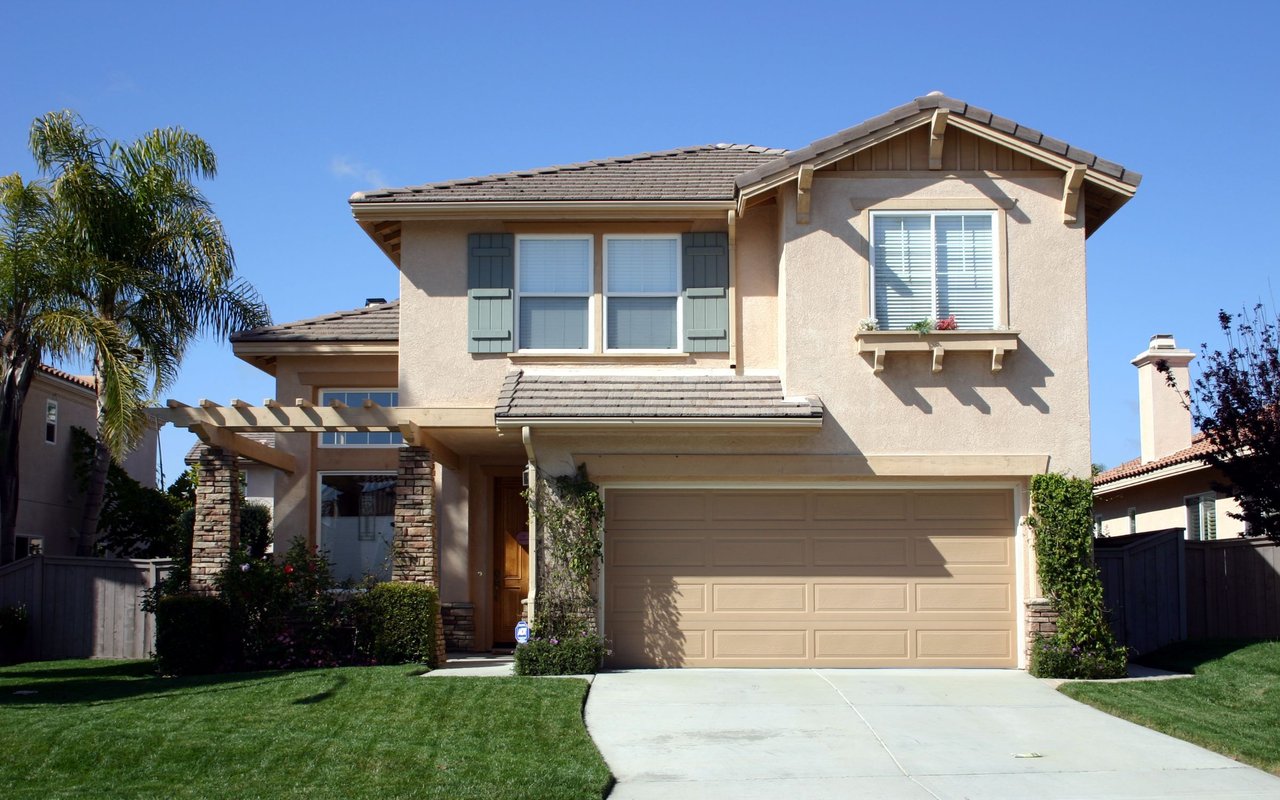

Thinking about buying a Carlsbad property to run as a short-term rental? You are not alone. The opportunity can look attractive, but the rules are layered and the details matter. In a coastal city like Carlsbad, compliance spans city permits, zoning and Coastal Zone rules, and HOA covenants. This guide breaks down what to check, how to stay compliant, and how to evaluate the numbers with confidence. Let’s dive in.
The three-part test for Carlsbad STRs
Carlsbad short-term rentals are governed by three separate layers. You need a green light from all three to operate legally.
- Municipal rules: City registration or permitting, operational standards, and tax requirements.
- Zoning and the Coastal Zone: Your parcel’s zoning designation and whether it lies inside the Coastal Zone can change what is allowed.
- HOA/CC&Rs: Community rules can prohibit or limit STRs even when the city allows them.
If any one layer blocks STRs, you cannot operate short term on that property.
Municipal rules: what to expect
City programs often require owners to register or obtain a permit before listing. Expect to provide owner information, pay an application or annual fee, and follow advertising rules such as including a city-issued number in your online listings. Many programs also require a 24/7 local contact who can respond quickly to complaints.
Most cities set operating standards for safety and neighborhood impact. Common items include smoke and carbon monoxide detectors, a fire extinguisher, clear egress paths, posted house rules, and on-site emergency contacts. You may see occupancy and parking limits tied to bedroom count, square footage, or available on-site spaces. Nuisance controls typically address noise, trash, and quiet hours.
Enforcement is often complaint driven. Repeated violations can lead to escalating fines, suspension or revocation of permissions, and potential civil action.
Zoning and the Coastal Zone
Your parcel’s zoning and location relative to the coastline can affect whether you can operate, and on what terms.
- Zoning review: Confirm the property’s zoning designation and any overlays. Some zones allow short-term lodging outright, while others limit the use or require special approvals. Parking requirements may also limit guest capacity.
- Coastal Zone: Properties inside the Coastal Zone are subject to the California Coastal Act and the city’s Local Coastal Program. In sensitive coastal areas, non‑primary residence STRs may face tighter limits, added permits, or other conditions intended to protect coastal access and neighborhood character.
When a property is in the Coastal Zone, coordinate early with local planning staff. Coastal considerations can change timelines and feasibility.
HOA and CC&R restrictions
Even if city rules permit STRs, your homeowners association may not. Many Carlsbad HOAs either prohibit short-term rentals or set minimum stays, owner-occupancy requirements, rental caps, registration steps, and guest parking limits. HOA enforcement is civil and can include fines or injunctions. Always review CC&Rs, bylaws, and any rental policy amendments, and ask the board about pending changes before you buy.
Taxes and business registration
Short-term stays are commonly subject to a transient occupancy tax collected from guests and remitted to the city. You may also need a business license. Filing frequency, registration steps, and remittance methods vary by city and can change over time. Build the admin work into your operating calendar so filings are timely and complete.
Step-by-step: how to set up legally
Use this sequence once you confirm STRs are allowed for your property:
- Verify permissions
- Confirm zoning and any overlay constraints. If in the Coastal Zone, confirm local Coastal Program requirements.
- Obtain and review HOA governing documents and active rental policies.
- Complete registrations
- Apply for the city’s STR registration or permit if required.
- Obtain a business license if the city requires one.
- Register for transient occupancy tax and set your filing schedule.
- Prepare the property
- Install and test safety equipment, then document it.
- Post house rules, quiet hours, parking instructions, and emergency contacts inside the home.
- Set up a 24/7 local contact and a written complaint response plan.
- Prepare operations
- Create a parking plan and publish clear parking guidance in your listing and welcome guide.
- Establish cleaning, inspection, landscaping, and trash service schedules that match your turnover pace.
- Keep records for permits, inspections, TOT filings, and any complaint responses.
What happens if complaints arise
Most cities follow a clear enforcement path. First violations often trigger warnings, followed by fines per violation or per day. Continued noncompliance can lead to suspension or revocation of permissions and, in some cases, court action. Maintain a documented response plan, keep noise and trash policies front and center for guests, and respond quickly through your designated local contact.
Running the numbers: a simple modeling framework
Carlsbad demand is seasonal, with stronger summer peaks near the coast and steadier, mixed demand in inland areas. Performance varies by micro‑location and property type. Model conservatively and pressure test your assumptions.
Inputs to gather
- Average daily rate by season and expected monthly occupancy.
- Transient occupancy tax rate and filing frequency.
- Platform and marketing fees, and any channel manager costs.
- Cleaning cost per stay and restocking budgets.
- Utilities, HOA dues, insurance with vacation-rental coverage, and a reserve for maintenance.
- Management fee if you plan to hire a professional manager.
Sensitivity checks
- Test lower ADR and occupancy scenarios, such as 20 to 40 percent below your optimistic case.
- Include a scenario where HOA or coastal constraints reduce available nights or require a shift to longer minimum stays.
- Add contingencies for compliance costs, legal counsel, or equipment upgrades.
Cost categories to include
- Fixed costs: mortgage, property taxes and special assessments, insurance, and HOA dues.
- Variable operations: utilities, cleanings, linens and supplies, routine maintenance, landscaping, and waste service.
- Guest acquisition: platform fees and advertising.
- Compliance: permit and inspection fees, TOT administration, and mitigation tools like noise monitors.
When to hire a professional manager
Consider a full-service manager when:
- You live out of the area or cannot serve as a reliable 24/7 local contact.
- Your minimum stays are short and turnover is frequent.
- The property is inside the Coastal Zone or within a complex with shared systems and more complex rules.
- Your time is better spent on strategy while a professional handles guest communication, pricing, TOT filings, and vendor coordination.
Professional management can improve compliance and revenue optimization but will increase operating costs. Reflect this in your pro forma.
Due diligence checklist before you buy
- Confirm zoning and whether the parcel is inside the Coastal Zone.
- Pull HOA CC&Rs, bylaws, and rental policy amendments; ask about pending rule changes.
- Check for deed restrictions, historic district rules, or overlays.
- Run a conservative STR market analysis for the micro‑neighborhood using reliable data sources and local comps.
After closing: your launch checklist
- Complete city registrations and permits as required.
- Register for TOT and set up your filing cadence.
- Obtain vacation-rental-appropriate insurance coverage.
- Install, test, and document safety equipment; post required rules and contacts.
- Set parking, trash, and noise mitigation plans; brief your cleaners and vendors.
- Establish a maintenance and inspection log and a process for neighbor feedback.
How we help North County investors
You should feel confident about the rules, the numbers, and your plan. Our team pairs hyper-local knowledge of North County neighborhoods, HOA dynamics, and coastal nuances with hands-on vendor coordination to make setup and ongoing operations smoother. If you are weighing a Carlsbad purchase or preparing a current home for short-term use, we can help you confirm permissions, connect with the right vendors, and model realistic outcomes.
Ready to explore a Carlsbad STR investment or evaluate your current plan? Reach out to Janice C. Davidson CA for a complimentary consultation.
FAQs
Are short-term rentals allowed in Carlsbad?
- It depends on your parcel’s zoning, whether the property lies in the Coastal Zone, and any HOA or deed restrictions; all three layers must allow STRs.
Do I need a permit or registration to operate a Carlsbad STR?
- Many cities require an STR registration or permit, a local 24/7 contact, and compliance with safety and operating standards; confirm current city requirements before listing.
What taxes apply to Carlsbad short-term rentals?
- Short-term stays are typically subject to a city-administered transient occupancy tax that you collect from guests and remit on a set schedule.
Can my HOA prohibit short-term rentals even if the city allows them?
- Yes; HOA CC&Rs can prohibit or limit STRs and are enforceable through fines or legal action, so review governing documents before you buy.
Do Coastal Zone rules change the process for Carlsbad STRs?
- Yes; properties in the Coastal Zone may face tighter limits or added approvals under the local Coastal Program and statewide coastal policies.
What happens if neighbors complain about my guests?
- Cities often use a complaint-driven system that can lead to warnings, fines, and possible suspension or revocation for repeated violations; respond quickly and document.
What insurance do I need for a Carlsbad vacation rental?
- Standard homeowner policies may exclude STR activity; seek a vacation rental endorsement or commercial policy with liability and guest injury coverage.
When should I hire a professional property manager?
- Consider it if you are out of area, have frequent turnovers, must meet local contact requirements, or face complex Coastal Zone or HOA compliance.