Torn between salty breezes and extra backyard space? In Carlsbad, you can have either vibe, but choosing the right side of town shapes your daily life, budget and long-term plans. If you are weighing coastal versus inland, you are not alone. This guide gives you a clear, local framework to decide based on lifestyle, money, commute, climate, and rules that can affect resale and rental options. Let’s dive in.
Start with your lifestyle
If you want walkable beach-town living, the coastal side delivers. Around Carlsbad Village, you can step out for coffee, dinner and the farmers’ market, then stroll to the sand. The Village is the most walkable part of the city, which many buyers confirm by checking a neighborhood’s walkability on tools like the Carlsbad Village Walk Score map. Expect more visitor energy on weekends and during peak travel seasons, which can affect street parking and crowds around the beach.
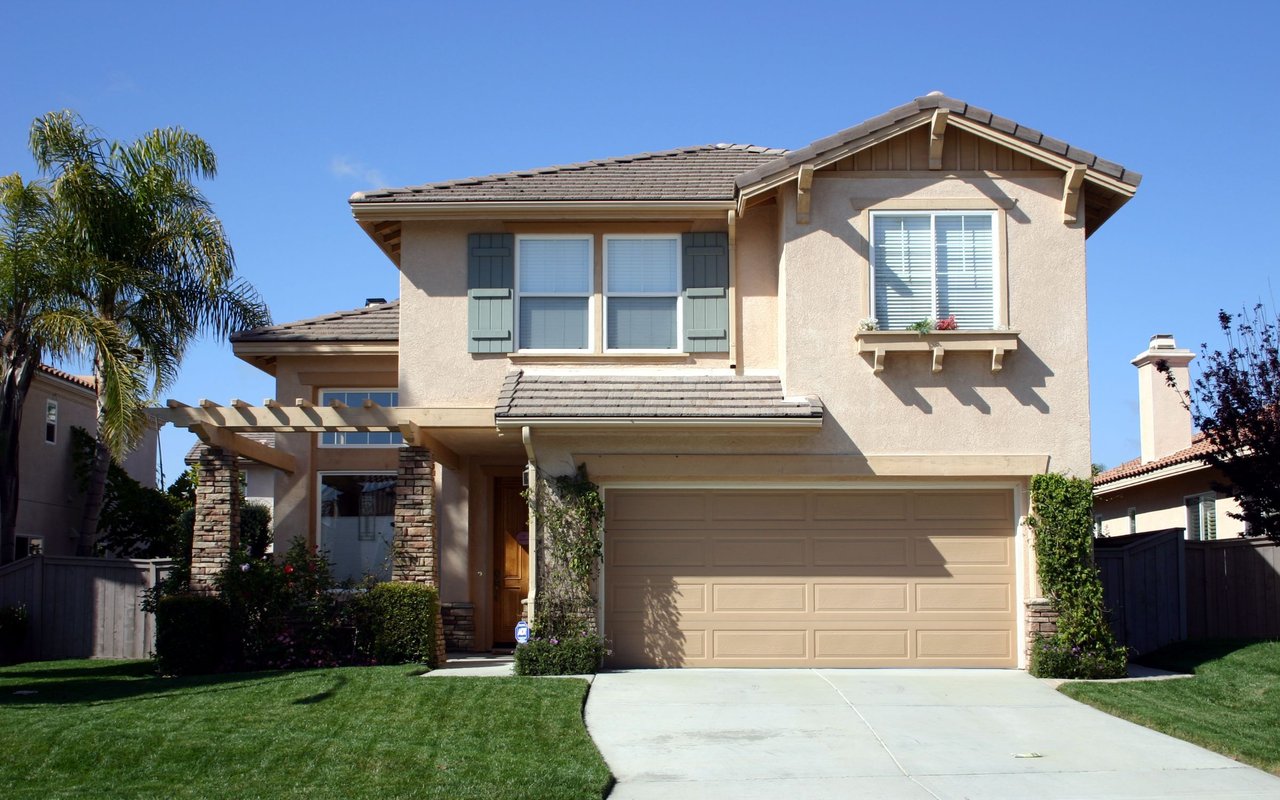
If you prefer more private space, inland master-planned neighborhoods offer larger yards, quiet streets and easy access to parks and golf. Communities near La Costa, Aviara, Bressi Ranch and Calavera Hills were built with planned amenities in mind. You are also close to major local attractions like beaches, lagoons and resort golf that define Carlsbad’s identity, highlighted by the city’s visitor guide at Visit Carlsbad.
Housing styles you will see
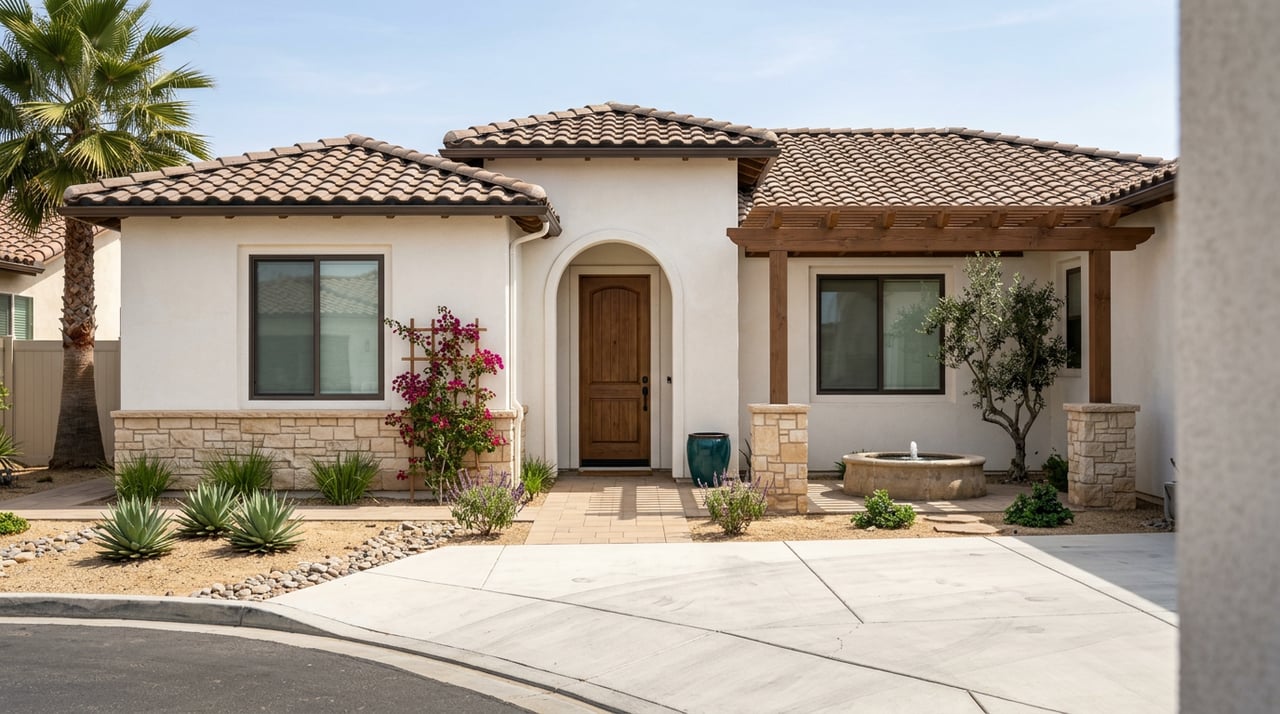
- Coastal: A mix of beach cottages, compact single-family lots, townhomes and condominiums, plus newer infill buildings near the Village. True beachfront or bluff-top homes exist in select pockets. Smaller lots and multi-unit formats are common.
- Inland: Predominantly single-family homes with larger lots, gated or master-planned enclaves, and architecture that ranges from Mediterranean/Spanish to modern tract styles. Many areas sit near resort golf and open space.
Budget and resale foundations
Coastal Carlsbad typically commands a premium. The drivers are durable: ocean views, immediate beach access, walkability and limited supply. Coastal parcels also sit within the city’s Coastal Zone where permitting is more complex, which can constrain new inventory. You can review the city’s ongoing Local Coastal Program updates to understand how the coast is managed.
Inland neighborhoods often deliver more interior square footage and lot size for the same budget. That tradeoff appeals to buyers who value an extra bedroom, a larger yard, or a flexible home office more than being a few blocks from the beach. Resale demand remains strong on both sides of town, but price sensitivity and days on market can vary by season and inventory.
Market snapshot, as of January 2026: Public sources reported a Carlsbad median sale price around $1.43 million at that time. Neighborhood medians vary, with coastal areas like Carlsbad Village and Olde Carlsbad often trending higher than some inland communities. Use this as context only, then compare current comps before you write an offer.
Commute and mobility
Interstate 5 is the main north–south corridor through Carlsbad, with CA 78 and arterials like El Camino Real and College Boulevard linking inland areas. If you plan to commute to employment centers in San Diego County, preview your route at rush hour and review Caltrans resources on the corridor, including the I‑5 corridor program page.
If you prefer rail, Carlsbad has two COASTER commuter stations: Carlsbad Village and Poinsettia. Schedules, parking and feeder bus connections vary by station, so check the NCTD transit centers guide to see what fits your routine. Citywide, the mean travel time to work sits in the high 20 minutes according to U.S. Census QuickFacts for Carlsbad. Your real commute will depend on the exact address and departure time.
Climate and hazards
Carlsbad’s microclimates change quickly over a few miles. Near the water, a marine layer often brings cooler temperatures and onshore cloud cover, especially in late spring. Inland areas warm up faster and see bigger day‑night swings. If you are curious about our coastal marine layer and its local effects, the UC Sea Grant overview offers helpful background.
At the coast, sea level rise, bluff erosion and flooding are active planning topics. The City of Carlsbad has completed a Sea Level Rise Vulnerability Assessment, which highlights areas where beach access, bluff‑top roads and low-lying streets may require adaptation. If you are considering a seaside property, factor in permitting and potential future adaptation when you plan improvements.
Inland and hillside areas can face higher wildfire risk, especially near open space. Before you buy, review San Diego County fire hazard maps to see if an address falls within a higher designation and how that might affect mitigation and insurance. Start with the county’s Fire Hazard Severity Zone mapping info.
Maintenance and insurance to expect
- Coastal: Plan for salt‑air corrosion on metal fixtures and rails, more frequent exterior painting, and to verify whether the address intersects flood mapping. Insurance availability and premiums can reflect exposure and proximity to the ocean.
- Inland: Budget for defensible‑space work, brush clearance and landscape maintenance, especially near canyon edges or open space. Insurance underwriting may consider local fire severity designations.
Regulation and rental potential
If rental income matters to you, know that Carlsbad’s short‑term vacation rental rules are location specific. Many permits are limited to the Coastal Zone, and homeowners’ associations can prohibit short‑term rentals even where the city allows them. Verify both city eligibility and HOA covenants before you count on any vacation‑rental income. The city’s Local Coastal Program updates page is a good starting point for understanding how coastal parcels are regulated.
Quick property checklist
Use this address‑level checklist for any Carlsbad home you are considering:
- Is the property inside the City’s Coastal Zone or otherwise subject to Coastal Commission rules? Start with the city’s Local Coastal Program page.
- Is the address in a FEMA flood zone or noted in the city’s sea level rise analysis? Review the city’s Sea Level Rise Vulnerability Assessment, then confirm FEMA mapping and insurance quotes.
- Is the address in a Cal Fire or County Very High Fire Hazard Severity Zone? Check the county’s fire hazard mapping info.
- If you expect rental income, is the parcel eligible for a city short‑term vacation rental permit and does the HOA allow it? Confirm both before you buy.
- How walkable is the immediate block to groceries, transit and the beach? Start with the Carlsbad Village Walk Score view, then do a day‑and‑night test walk.
- How will you commute from this exact address to your workplace? Test drive at peak times, check COASTER access via NCTD transit centers, and confirm typical travel time with Census QuickFacts as a baseline.
- Which public schools serve the address today? Review boundaries with the district and compare neutral ratings on sites like GreatSchools for Carlsbad. Boundaries can change, so verify directly.
How to choose: three buyer profiles
- Daily Beach Life: You want to walk to the sand, brunch and sunset strolls. You value a smaller footprint near the water over a larger home inland. Expect higher purchase prices per square foot and lean into the Village or other Coastal Zone pockets.
- Space and Amenities First: You want a larger yard, more bedrooms, and proximity to parks and golf. You prefer quieter streets and planned-community conveniences. Focus on La Costa, Aviara, Bressi Ranch and similar inland areas.
- Hybrid Commute and Access: You split your time between home office and downtown meetings. You want beach access on weekends and a reliable rail option for workdays. Target neighborhoods within an easy drive or bike ride to the COASTER stations at Carlsbad Village or Poinsettia, and test your full door‑to‑door commute.
Your next step
Both sides of Carlsbad offer a great lifestyle. The right choice depends on how you live day to day, how you plan to commute, and how you weigh long‑term ownership costs like maintenance, insurance and potential rental rules. If you are torn between two addresses, we can help you compare them side by side with hazard maps, commute tests, HOA research and a prep budget so you buy with confidence.
Ready to make a clear decision for your next move in Carlsbad? Reach out to Janice C. Davidson CA to request a complimentary home valuation and concierge consultation.
FAQs
What makes coastal Carlsbad more expensive than inland areas?
- Coastal prices often reflect ocean views, immediate beach access, strong walkability and limited supply within the Coastal Zone, which together push prices higher per square foot.
How different is the weather between coastal and inland Carlsbad?
- The coast stays cooler and cloudier at times due to the marine layer, while inland neighborhoods are warmer with bigger day‑night swings, a pattern described in the UC Sea Grant overview.
Are there public transit options if I live inland in Carlsbad?
- Yes, you can use the COASTER from the Poinsettia or Carlsbad Village stations, with schedules and parking details available on the NCTD transit centers page.
How do I check sea level or erosion risks for a coastal home?
- Start with the city’s Sea Level Rise Vulnerability Assessment, then review FEMA flood maps and insurance quotes for the specific address.
What wildfire considerations apply to inland Carlsbad homes?
- Some inland and hillside areas carry higher fire‑hazard designations, so budget for defensible‑space landscaping and check the county’s fire hazard mapping info for parcel‑level context.
Where can I verify which schools serve a Carlsbad address?
- Confirm boundaries with the school district and review neutral ratings on sites like GreatSchools for Carlsbad, since assignments can change from year to year.
How long is the typical commute for Carlsbad residents?
- The citywide average is in the high 20 minutes according to U.S. Census QuickFacts, but you should test your exact address and schedule for a realistic estimate.