Trying to choose between a condo and a house in Oceanside? You are not alone. In a coastal market where price, location, HOA rules, and future flexibility all matter, this decision can shape your budget and your day-to-day lifestyle for years. If you are weighing convenience against control, this guide will help you compare the trade-offs and make a more confident move. Let’s dive in.
Why this choice matters in Oceanside
In Oceanside, the condo-versus-house decision is not just about square footage. It is also about how you want to live, what level of maintenance you want to handle, and how much flexibility you may want later.
Location adds another layer. Oceanside’s Coastal Zone includes property from the inland side of Coast Highway to the Pacific Ocean, plus areas near the San Luis Rey River, Loma Alta Creek, and Buena Vista Lagoon. In some of these areas, certain development decisions may also fall under California Coastal Commission appeal jurisdiction.
Price plays a big role too. Realtor.com places Oceanside’s median listing price at about $859,900, while current condo inventory tracked by Redfin shows a median listing price near $640,000. That gap helps explain why condos can be a more accessible entry point, even though monthly HOA dues and insurance costs can affect the bigger picture.
Condo living in Oceanside
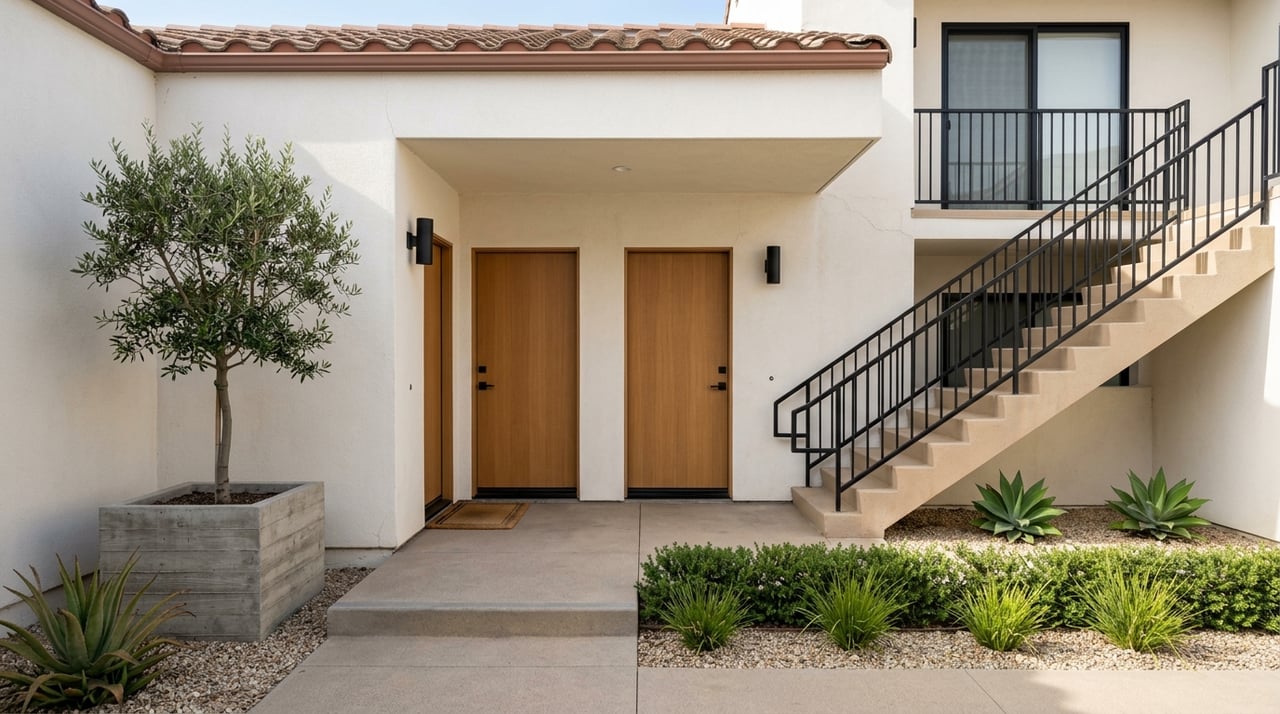
A condo can be a strong fit if you want a simpler ownership experience and a lower purchase price than many detached homes. For many buyers, that means less exterior maintenance and a more lock-and-leave lifestyle.
In California, condo ownership works differently than detached-home ownership. The California Department of Real Estate explains that you typically own your unit’s airspace, while the homeowners association owns the land, building, and common areas.
That ownership structure is important because it affects what you control and what the HOA controls. It can also affect your monthly costs, renovation options, insurance needs, and even future resale or refinancing possibilities.
What condo buyers should review closely
If you are considering a condo in Oceanside, the HOA documents deserve careful attention. California law requires disclosures that can give you a clearer view of the association’s financial health and project rules.
Key items to review include:
- Monthly dues and what they cover
- Reserve funding summaries and annual budget reports
- Any discussion of expected special assessments
- HOA insurance summaries
- Rental restrictions, pet rules, parking limits, and renovation rules
- Whether the project is FHA- or VA-approved
These details matter. For example, HOA insurance may not fully cover your personal property or upgrades inside the unit, and you may still be responsible for certain deductibles.
When a condo is sold, the seller must also provide governing documents, fee information, budget materials, and notices of unresolved violations, among other disclosures. That is one reason condo buyers should read the HOA packet just as carefully as they read the inspection report.
When a condo may fit your lifestyle
A condo may be a good fit if you value convenience and predictability more than having full control over the property. If you travel often, want less exterior upkeep, or prefer shared maintenance responsibilities, condo living may feel easier to manage.
It can also make sense if your top priority is getting into the Oceanside market at a lower price point. In a city where housing costs remain high, condos often open the door for buyers who want a coastal North County location without stretching into detached-home pricing.
House living in Oceanside
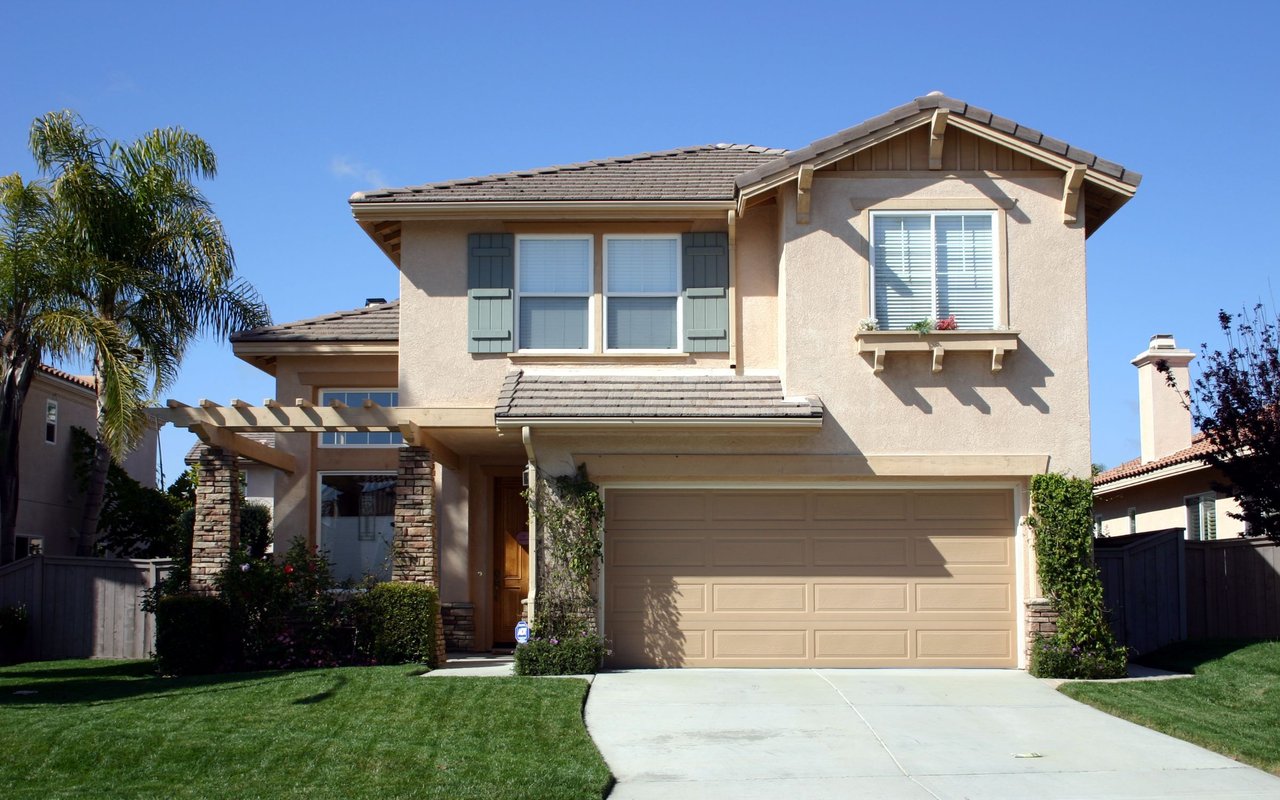
A house tends to offer a different kind of ownership experience. In general, detached-home owners own the lot and the home itself, rather than a unit within a common-interest development.
That usually means more direct control over your property. It also usually means more direct responsibility for repairs, maintenance, and major capital expenses.
For some buyers, that trade-off is worth it. If you want more privacy, yard space, room for hobbies, or the ability to make bigger changes over time, a house may better support your goals.
Why houses offer more flexibility
One of the biggest advantages of a detached home is the potential to customize. In Oceanside, attached and detached ADUs are permitted subject to zoning and building-code rules, and plans must go through review and inspections before work is finalized.
That makes houses appealing for buyers who may want to add living space later. Whether you are thinking about an ADU, an addition, or a substantial remodel, a detached property often provides more long-term options than a condo community with shared structures and stricter HOA controls.
That said, flexibility does not mean unlimited freedom. You still need to look at zoning, permit requirements, and the property’s location within Oceanside.
Coastal location can affect future plans
If you are buying near the coast, it is smart to think beyond the home itself. Oceanside’s coastal planning highlights issues such as coastal erosion, sea-level rise, and shoreline resilience, and some projects in the Coastal Zone may involve an added layer of review.
For buyers considering future improvements, this matters. A house near the shoreline may offer great lifestyle appeal, but it can also come with more planning considerations than a similar home farther inland.
Condo vs house: the real lifestyle trade-off
At its core, this decision often comes down to convenience versus control. Neither option is automatically better. The right choice depends on how you want to spend your time, what you want to manage, and how you see your needs changing.
Here is a simple way to compare them:
| Factor | Condo | House |
|---|---|---|
| Entry price | Often lower in Oceanside | Often higher in Oceanside |
| Exterior maintenance | Usually shared through HOA | Usually your responsibility |
| Monthly costs | Mortgage plus HOA dues and insurance considerations | Mortgage plus direct upkeep and repair costs |
| Privacy | Typically less private than a detached home | Typically more private |
| Outdoor space | Usually limited | Usually more space |
| Renovation freedom | Often limited by HOA rules | Usually more flexible, subject to permits and local rules |
| Lock-and-leave ease | Often easier | Often more hands-on |
If you want a home base that feels simple and manageable, a condo may check more boxes. If you want room to grow, expand, or personalize over time, a house may serve you better.
Think about rental plans before you buy
Some buyers want flexibility to rent out the property later, even if that is not the plan today. In Oceanside, that question deserves early research because city rules can affect short-term rental options.
The city says new non-hosted short-term rental permits are prohibited outside the coastal zone. It also notes that a cap applies to non-hosted units west of Coast Highway, and there is no guarantee new permits will be approved or renewed after a transfer.
That means you should not assume a future rental plan will work just because a property seems well located. You will want to review both city rules and any HOA restrictions before deciding on a condo or a house.
Questions to ask before you decide
Whether you are leaning condo or house, asking the right questions can save you time, money, and stress later. In Oceanside, these are some of the most useful questions to ask early.
Questions for condo buyers
- What does the HOA maintain, and what remains your responsibility?
- How healthy are the reserves?
- Are special assessments being discussed or expected?
- Are there limits on pets, rentals, parking, or renovations?
- Is the community FHA- or VA-approved?
- What does the HOA insurance cover, and what will you need to insure separately?
Questions for house buyers
- What is the condition of the roof, systems, and major components?
- Is there clear permit history for prior improvements?
- If you want an ADU or remodel later, what city review may apply?
- Is the property inside Oceanside’s Coastal Zone?
- Could coastal location affect future building plans or timelines?
These questions are practical, but they also help you compare the full cost of ownership. A lower monthly payment on paper does not always mean a lower-stress or lower-risk decision.
How to make the right call for your lifestyle
If you are still torn, try stepping back from the property details and focusing on how you want to live. Think about your typical week, your travel habits, your tolerance for upkeep, and whether you want to change the property over time.
A condo often fits buyers who want easier maintenance and a lower entry point. A house often fits buyers who want more privacy, outdoor space, and future improvement options.
In Oceanside, the smartest decision usually comes from pairing lifestyle goals with local due diligence. That means reviewing HOA documents carefully for condos, reviewing condition and permit history carefully for houses, and paying close attention to whether coastal-zone rules may affect the property.
When you want a clear, local perspective on Oceanside neighborhoods, HOA details, and the real-world trade-offs between property types, working with an experienced North County guide can make the process much easier. For personalized help comparing condos and houses in Oceanside, reach out to Janice C. Davidson CA.
FAQs
What is the main difference between owning a condo and owning a house in Oceanside?
- In California, condo owners typically own the unit’s airspace while the HOA owns the land and common areas, while detached-home owners generally own the house and lot directly.
Are condos usually cheaper than houses in Oceanside?
- Often yes. The research provided shows Oceanside’s median listing price around $859,900, while current condo inventory showed a median listing price near $640,000, though HOA dues and insurance can narrow the gap.
What should condo buyers review before buying in Oceanside?
- Condo buyers should review the HOA packet, including dues, reserves, special assessment disclosures, insurance summaries, project rules, and whether the community is FHA- or VA-approved.
Can a house in Oceanside offer more remodeling flexibility?
- Often yes. Detached homes usually provide more control for additions, ADUs, or major remodels, though zoning, permits, inspections, and coastal-zone rules may still apply.
Do coastal-zone rules matter for Oceanside buyers?
- Yes. Oceanside says its Coastal Zone includes areas from Coast Highway to the ocean and certain shoreline-adjacent areas, and some development decisions there may be subject to additional review or appeal jurisdiction.
Should buyers compare short-term rental rules before choosing a condo or house in Oceanside?
- Yes. Oceanside’s rules for non-hosted short-term rentals vary by location, and HOA restrictions can also apply, so it is important to verify both before buying.