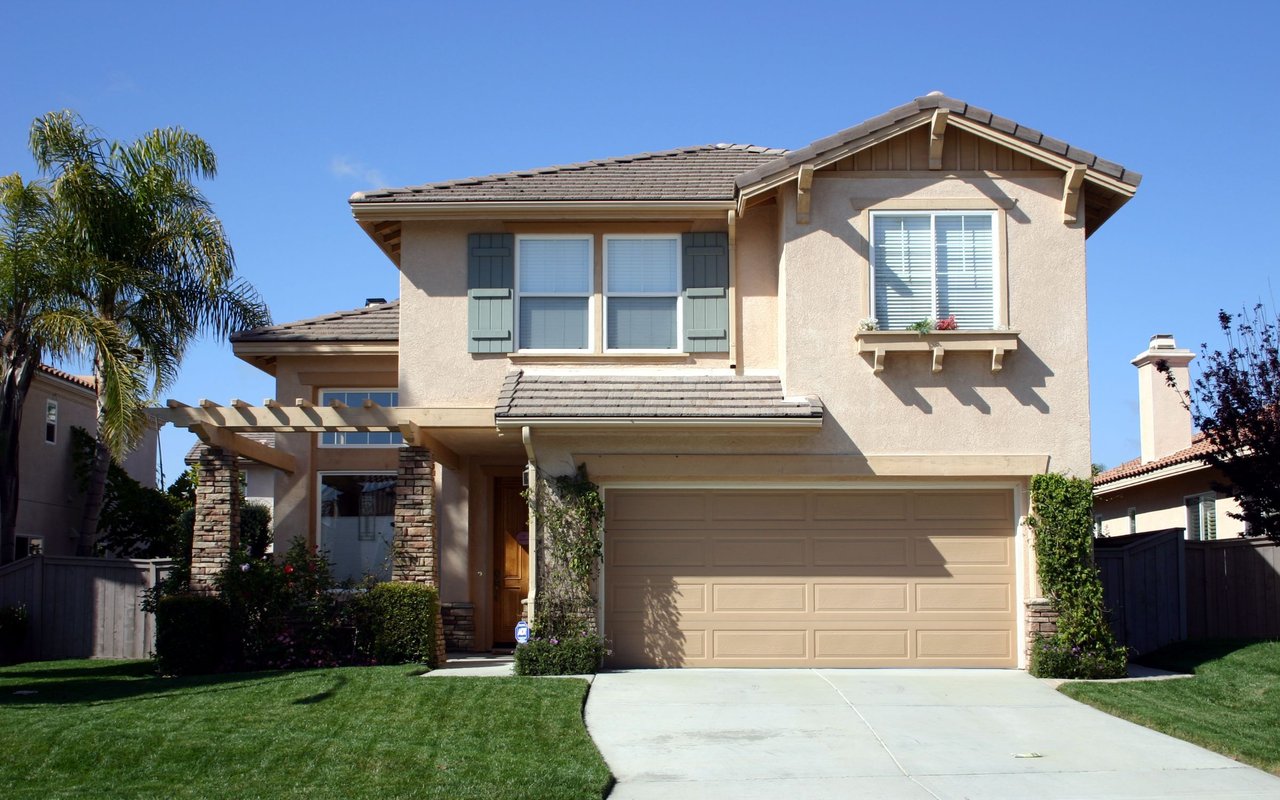

Buying your first home in Oceanside can feel exciting and overwhelming at the same time. You may be wondering how much house you can afford, what happens after an offer is accepted, and which local costs catch buyers by surprise. The good news is that the process becomes much easier when you break it into clear steps and plan ahead. Let’s walk through what to expect.
Start With Your Budget
Before you tour homes, take a close look at your monthly spending and savings. This helps you set a realistic price range and avoid stretching your budget too far. It also gives you a better idea of how much cash you can comfortably use for upfront costs.
Your down payment is only one part of the picture. Many buyers put down anywhere from 5% to 20% of the purchase price, though some loans allow as little as 3%. If your down payment is under 20%, you will typically pay private mortgage insurance until you reach 20% equity.
You should also plan for closing costs. These often range from 2% to 5% of the purchase price and are paid in addition to your down payment. On top of that, it is smart to keep some cash reserved for inspections, insurance, and moving expenses.
Check Credit Before You Apply
Your credit profile plays a major role in the type of loan and pricing you may qualify for. Before applying, review your credit reports carefully and dispute any errors you find. Small mistakes can affect your options more than many first-time buyers realize.
It is also wise to avoid taking on new debt while preparing to buy. A new car loan, large purchase, or new credit card can change your loan qualification or affect your loan terms. Keeping your finances steady during this stage can make the mortgage process smoother.
Get Preapproved Early
A mortgage preapproval helps you understand your buying power before you start making offers. In a competitive market like Oceanside, it can also make your offer look stronger to a seller. Just remember that a preapproval is not a final loan commitment.
Preapproval letters often expire in 30 to 60 days, so timing matters. If your home search takes longer, your lender may need to update your information. That is one reason it helps to stay organized from the start.
Compare At Least Three Lenders
Not all lenders offer the same rates, fees, or loan structures. Comparing at least three lenders gives you a better chance of finding the best fit for your financial goals. This step can save you money both upfront and over the life of the loan.
Once you choose a property, ask multiple lenders for official Loan Estimates. Lenders must provide a Loan Estimate within three business days after receiving the required application details. If you share expected property taxes and HOA dues, those costs should be reflected in the estimate.
Explore California Buyer Assistance
If upfront cash is your biggest hurdle, California programs may help. CalHFA’s MyHome program offers deferred-payment junior loans for down payment and or closing costs, up to the lesser of 3.5% for FHA loans or 3% for conventional loans. CalPLUS with ZIP is another option designed to help with closing costs.
These programs have eligibility rules, and first-time borrowers must complete homebuyer education. Local assistance may also be available through County of San Diego or SDHC programs, but service areas and eligibility can vary. If you are counting on assistance, verify your eligibility early.
Shop for Homes With a Clear Plan
Once your budget and preapproval are in place, you can start touring homes with more confidence. A clear price range helps you focus on homes that truly fit your needs and financing. It also helps you act faster when the right property comes along.
In Oceanside and the wider North County San Diego area, some homes may be part of an HOA. For first-time buyers, that makes document review especially important. HOA materials, including CC&Rs, can affect costs, property use, and your day-to-day ownership experience.
Make an Offer and Open Escrow
In California, escrow usually begins after the buyer and seller agree on the terms of the sale. Escrow is a neutral third-party process that holds money and property until the contract conditions are met. For many first-time buyers, this is the stage where the process starts to feel very real.
A typical purchase timeline often follows this order:
- Budget and preapproval
- Home shopping
- Offer submission and acceptance
- Escrow opening
- Inspection
- Appraisal
- Underwriting
- Final closing
The order matters because several steps depend on an accepted contract. It also gives you time to work through issues before closing day.
Understand the Oceanside Timeline
Many purchase transactions close in about 30 to 45 days, and the average purchase loan closing time is often around 43 days. That said, your timeline can stretch if repairs are needed, the appraisal comes in low, underwriting asks for more documents, or paperwork is delayed. A flexible mindset can help reduce stress.
For first-time buyers, it helps to expect a full month or a little more from accepted offer to closing. That window can move quickly, especially when inspections, lender requests, and document deadlines all happen at once. Staying responsive is one of the best ways to keep things on track.
Schedule the Inspection Quickly
Once your offer is accepted, schedule the home inspection as soon as possible. This gives you time to review the findings and decide how to move forward before key deadlines pass. If issues come up, you may need time to negotiate repairs or credits.
A home inspection is not the same as an appraisal. The inspection focuses on the home’s condition, while the appraisal helps the lender confirm the home’s value. Both are important, and both can affect your path to closing.
Review the Appraisal Carefully
Your lender will usually require an appraisal as part of the loan process. If a new appraisal is needed, that can affect timing. You must receive a copy of the appraisal no later than three days before closing.
If the appraised value comes in below the contract price, the transaction may need to be renegotiated depending on your contract terms. This is one reason buyers should read contingencies carefully and stay in close contact with their real estate and lending teams.
Prepare for Insurance and Final Loan Review
Before your lender funds the loan, you will generally need to show proof of homeowners insurance. This is a required step for most mortgage purchases, so do not leave it until the last minute. Shopping early can give you more time to compare coverage and cost.
You will also receive a Closing Disclosure at least three business days before closing. Review it carefully so you understand your final loan terms, monthly payment, and cash needed to close. If anything looks different from what you expected, ask questions right away.
Know the Local Costs in San Diego County
Property taxes are one of the most important local ownership costs to understand. In San Diego County, Proposition 13 limits the base property tax rate to 1% of assessed value, plus voter-approved bonds and assessments. Some properties may also include fixed-charge special assessments, such as Mello-Roos.
The county mails annual secured property tax bills beginning in October. The first installment is due November 1 and becomes delinquent after December 10. The second installment is due February 1 and becomes delinquent after April 10.
First-time buyers should also know about supplemental tax bills. After a sale or new construction, these bills are generally mailed six to twelve months later. That means your tax costs may change after closing, so it is wise to plan ahead.
At closing, you may also see prorations for current-year property taxes. In a normal escrow, taxes are usually prorated based on how many days each party owned the property during the fiscal year. A documentary transfer tax of $0.55 per $500 of value may also appear as part of the recording package or closing statement.
Special Notes for VA Buyers
Oceanside is especially relevant for military and relocation buyers, so VA financing often comes up in this market. The first step in getting a VA-backed loan is obtaining your Certificate of Eligibility. Many eligible borrowers can buy with no down payment and no monthly mortgage insurance.
A VA funding fee generally applies unless you qualify for an exemption. Because timing matters, it is often faster to request your Certificate of Eligibility online or through a lender rather than by mail. If you are relocating to North County San Diego, getting this step done early can help you move faster when you find the right home.
What Happens on Closing Day
Closing day is when you sign the final loan and ownership documents. The closing agent collects and disburses funds, and the deed transfers legal ownership. After that, the transfer is recorded with the county.
By this point, many buyers feel both relieved and exhausted. That is normal. The final stretch involves a lot of signatures and details, but once everything is complete, you officially become a homeowner.
A Simple First-Time Buyer Checklist
If you want a practical roadmap, focus on this sequence:
- Review spending and savings
- Check credit and avoid new debt
- Get preapproved
- Compare at least three lenders
- Explore CalHFA, VA, or local assistance if needed
- Shop for homes within your budget
- Review HOA documents carefully when applicable
- Make an offer and open escrow
- Schedule the inspection quickly
- Review the appraisal and Closing Disclosure
- Confirm homeowners insurance
- Prepare for closing costs, taxes, and move-in expenses
Buying your first home in Oceanside is a big step, but it does not have to feel chaotic. When you understand the timeline, local costs, and key decisions ahead of time, you can move forward with more confidence and fewer surprises. If you want local guidance with a high-touch approach, Janice C. Davidson CA can help you navigate North County San Diego with clarity and care.
FAQs
What should a first-time homebuyer in Oceanside save for upfront?
- You should plan for more than just the down payment, including closing costs that often range from 2% to 5% of the purchase price, plus inspection, insurance, and moving expenses.
How long does it take to buy a home in Oceanside after an offer is accepted?
- Many transactions close in about 30 to 45 days, though delays related to repairs, appraisal issues, underwriting, or missing documents can extend the timeline.
What does escrow mean in a California home purchase?
- Escrow is a neutral third-party process that holds money and property until the agreed contract conditions are met.
What local property tax details should Oceanside buyers know?
- San Diego County property taxes are based on a 1% base rate under Proposition 13, plus voter-approved bonds and assessments, and buyers should also be prepared for prorations and possible supplemental tax bills after the sale.
What is different about a VA loan for Oceanside buyers?
- Eligible VA buyers may be able to purchase with no down payment and no monthly mortgage insurance, but they usually need a Certificate of Eligibility and may owe a funding fee unless exempt.
Do first-time buyers in Oceanside need to review HOA documents?
- Yes, if the home is in an HOA, you should review documents such as CC&Rs carefully because they can affect costs, rules, and ownership responsibilities.