Vista's city-wide median has barely moved over the past year. Homes listed to buy in September 2026 carried a median price of $889,000 and a per-square-foot value of $452, statistically unchanged from a year earlier. That flat line is the number most portals will hand you first if you search "Vista home prices." It is also the number least useful for deciding what a specific Vista listing is actually worth, because at least one Vista neighborhood is appreciating far faster than the city-wide figure shows, and at least two brand-new communities are so small that they will barely register in that figure at all.
If you are comparing two listings that happen to share a similar asking price, the citywide median tells you almost nothing about which one is the better buy. What matters is which of Vista's very different supply pipelines each listing came from.
The City-Wide Number That Won't Budge
Vista sold 326 homes in August 2026, up from 304 the year before, at a median sale price of $880,000. More transactions closed at essentially the same price point as the year prior. That combination, more volume without more price, usually means one of two things: either supply caught up with demand across the board, or the gains are concentrated in specific pockets while the rest of the market treads water and pulls the average back down. Vista's data points to the second explanation, because one neighborhood inside the city limits is not treading water at all.
Shadowridge Is Running At A Different Speed
Homes in Shadowridge, the master-planned community built around the 18-hole Shadowridge Country Club golf course, sold at a median of $977,000 over the trailing 12 months, up 13 percent from the 12 months before that. Homes there are also moving faster than the norm, spending a median of 35 days on market compared to a 55-day national average.
That is a neighborhood-level appreciation rate nearly four times the citywide trend, inside the same city where the overall median hasn't moved in a year. The golf course and clubhouse give Shadowridge something most of the rest of Vista doesn't have: a bundled amenity that buyers are actively paying more for, year over year, even while the citywide comparison stays flat. If you are pricing a Vista home against "the Vista median," and that home sits inside Shadowridge, you are almost certainly underestimating it.
Two New Releases Too Small To Move The Average
At the same time Shadowridge is running hot, two brand-new communities are entering the market in numbers too small to create their own price signal, let alone move the city's.
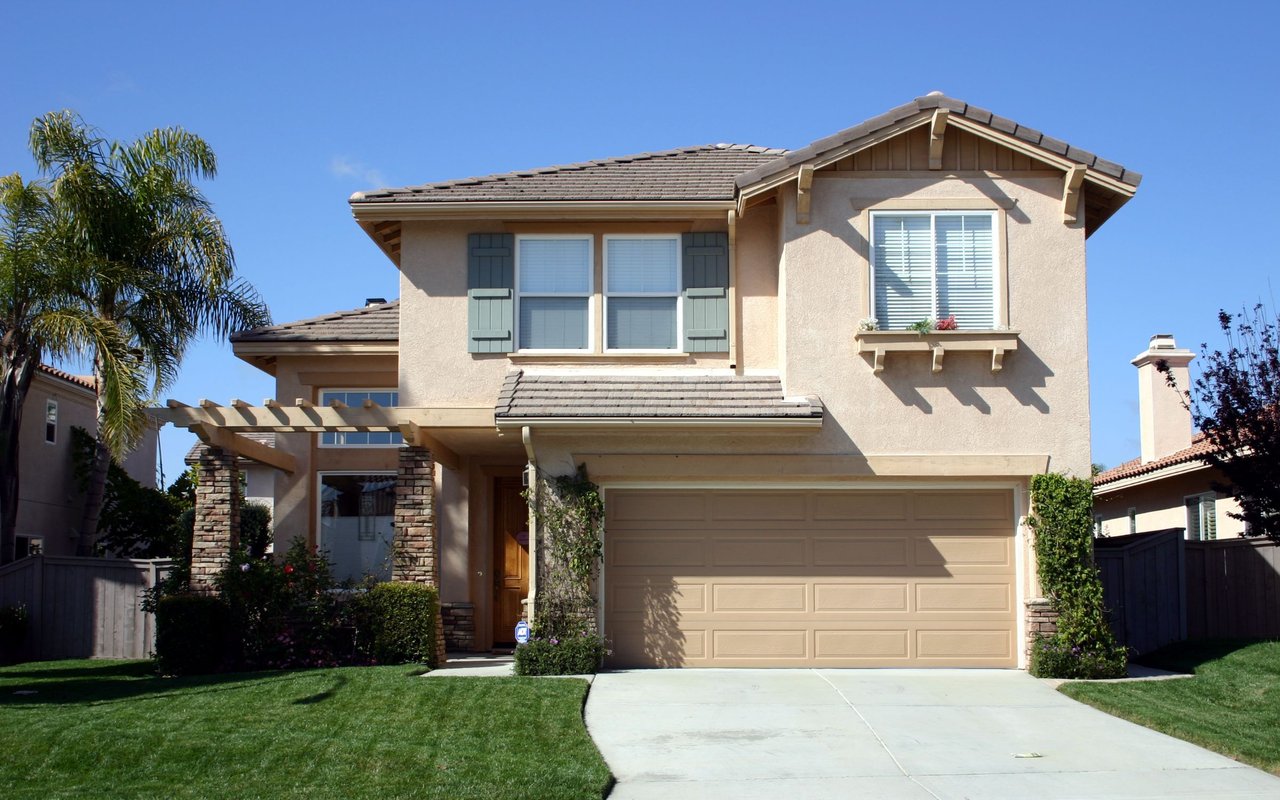
Shea Homes is building Big Sky in the rolling hills of Vista, a single community of just 25 homes across five single-story floorplans ranging from roughly 2,967 to 3,951 square feet, with 3 to 4 bedrooms and 2 to 4-car tandem garages. Presales are anticipated to begin late 2026.
In South Vista, a separate builder released Melrose Pointe in two small phases: Phase One brought just nine homes, four bedrooms and three full baths plus a powder room, with move-ins beginning February 2026, near Breeze Hill Elementary. Phase Two added five more homes, three bedrooms and two full baths plus a powder room, with move-ins beginning August 2026.
Fourteen homes and 25 homes are not enough inventory to establish a reliable neighborhood comp set the way Shadowridge's larger, older housing stock can. A buyer shopping either community won't be pricing against a deep pool of recent same-community sales. They'll be pricing against the builder's own release schedule, which means the price is set more by what the builder decided to charge for that phase than by what the broader Vista market is doing. New construction in a 9-home or 25-home release also typically comes with an HOA, since shared entry landscaping, private streets, and architectural standards are common conditions of small planned communities, even when the marketing materials lead with square footage and floorplans rather than dues.
The No-HOA Listing In The Same Search Results
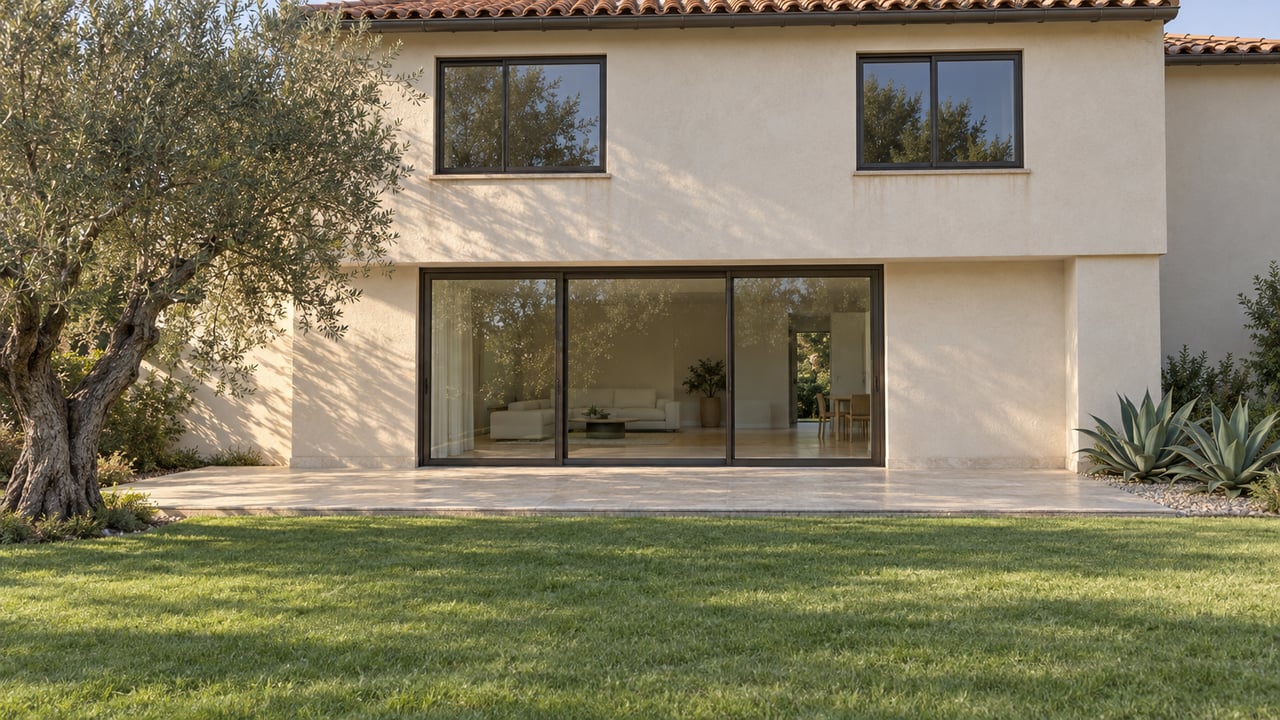
Search new construction in Vista and you'll also turn up something that looks nothing like Big Sky or Melrose Pointe: a custom Spanish-style estate built over four years by its owner, set on more than an acre in a small enclave of custom-built homes, with no HOA at all.
That listing exists in the same market, sometimes the same search results, as the tightly platted new releases above. The buyer choosing between them isn't really choosing between two houses at a similar price. They're choosing between two different cost structures. The no-HOA estate carries zero recurring community dues, but the owner is solely responsible for every exterior repair, every landscaping decision, and every future resale without the reassurance of a shared architectural standard next door. The HOA-governed new build carries a monthly bill, but that bill typically funds the very things that keep a small community's curb appeal, and its resale value, consistent phase over phase.
Neither structure is better in the abstract. They answer different questions about how much a buyer wants to manage themselves versus pay someone else to manage for them.
What To Check Before You Compare Two Vista Listings
Before treating two similarly priced Vista homes as substitutes for each other, it helps to know which pipeline each one came from:
- Which segment is it in? A Shadowridge resale, a small new-construction release, or an older custom parcel each carry different appreciation patterns and different comp pools.
- Is there an HOA, and what does it actually cover? Ask for the CC&Rs and the current dues, not just whether one exists. A golf-community HOA and a landscaping-only HOA fund very different things.
- How many total homes will the community eventually have? A 9-home Phase One with a Phase Two already underway will have a deeper comp set in two years than it does today. Vista's own planning department publishes a project tracker at the city's GIS planning portal, which is the most direct way to see whether more phases are approved nearby before you assume a small release will stay small.
- What is the trailing appreciation for that specific pocket, not the city? A 13 percent 12-month gain in Shadowridge and a flat citywide median are both true at the same time. Ask which one applies to the listing in front of you.
Frequently Asked Questions
Is Vista currently a buyer's market or a seller's market? Both, depending on where you're shopping. The citywide numbers, flat prices with rising volume, look like a market gaining balance. Shadowridge's 35-day median time on market and 13 percent annual gain look like continued seller strength in that specific pocket.
Do new Vista construction communities always come with HOA dues? Based on the small-release communities currently coming to market, HOA governance is the norm rather than the exception for new planned communities in Vista, even modest ones like a 9-home or 25-home release. Always confirm the specific dues and what they fund rather than assuming based on the floorplan brochure.
Is a no-HOA property unusual to find in Vista right now? Among new construction, yes. The no-HOA listings that do appear tend to be custom-built, larger-lot parcels rather than planned communities, which is a different product entirely from a builder release like Big Sky or Melrose Pointe.
If you're weighing a Shadowridge resale against a new-construction release, or trying to figure out what a no-HOA custom lot actually saves you over time, that's exactly the kind of comparison The Davidson Realty walks Vista buyers and sellers through before an offer goes in. Request a complimentary consultation and we'll pull the specific comps and disclosure documents for the listings you're actually considering.